Experience a seamless journey through two fascinating east
Asian countries, viewing breathtaking palaces and historic
locations, while savouring unique cultural moments and travelling
on high-speed modern trains
Unveil culture and history on our only tour to South Korea,
combining high-speed rail travel and hand-selected excursions in
Korea and Japan.
Wander amid the timeless palaces of Korean dynasties in Seoul
before a visit to the Demilitarised Zone. Journey by modern KTX
train to Gyeongju, the capital of the ancient Silla Kingdom, to
explore Buddhist temples and royal estates dating back more than a
thousand years.
Crossing to Japan, explore Fukuoka, discover famed fresh seafood
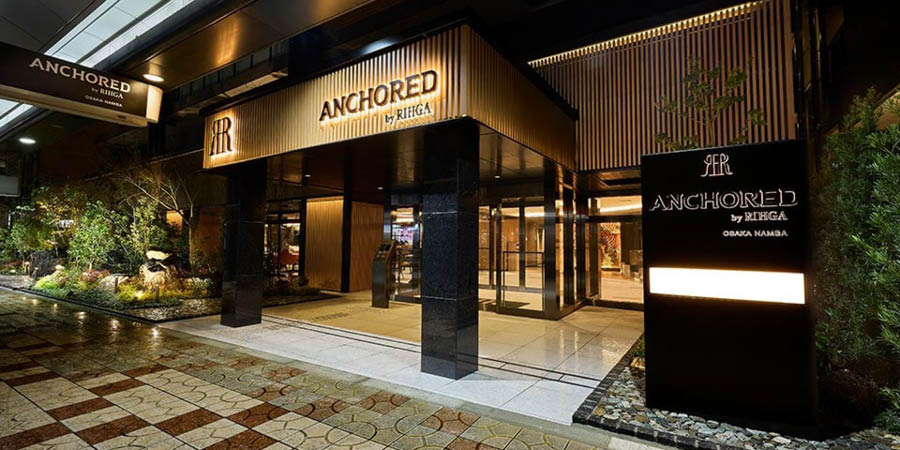
before sailing to an oyster farm in Miyajima and spend two nights
in Osaka. Visit the emotive Hiroshima Peace Memorial, take part in
a tea ceremony in Kyoto and conclude this unforgettable journey
with a trip on the iconic Shinkansen bullet train to dazzling
Tokyo.
Unforgettable Experiences
Uncovering dynastic heritage at Seoul’s historic palaces
Walk amongst timeless scenes in South Korea’s capital on an excursion to Gyeongbokgung, the 14th-century royal palace of the Joseon dynasty and one of the country’s most famous landmarks.
Visiting the Korean Demilitarised Zone
Uncover the complex history of the Korean Peninsula at the DMZ – a 2.5-mile-wide border which acts as a buffer between South Korea and its closed neighbour to the north.
Exploring the ancient capitals of Gyeongju and Kyoto
Steeped in tradition, the capital of Korea’s Silla Kingdom, Gyeongju, brims with Buddhist temples from the 7th and 8th centuries, while Kyoto reflects ‘old Japan’ in its geisha district, where we enjoy a tea ceremony.
Observing poignant sites in Hiroshima
Once devastated by war, this city has become a symbol of peace in the 21st century. Explore the memorial park and museum which details the destruction wrought by the dropping of the atomic bomb.
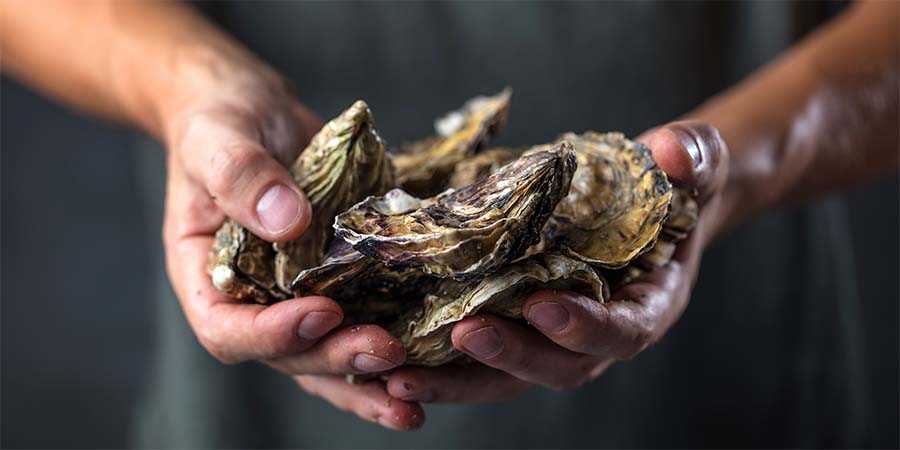
Sailing to an oyster farm in Miyajima
Visit Miyajima and learn about the region’s fresh seafood during a boat trip to an offshore oyster farm with a tasting of savoury oyster porridge.
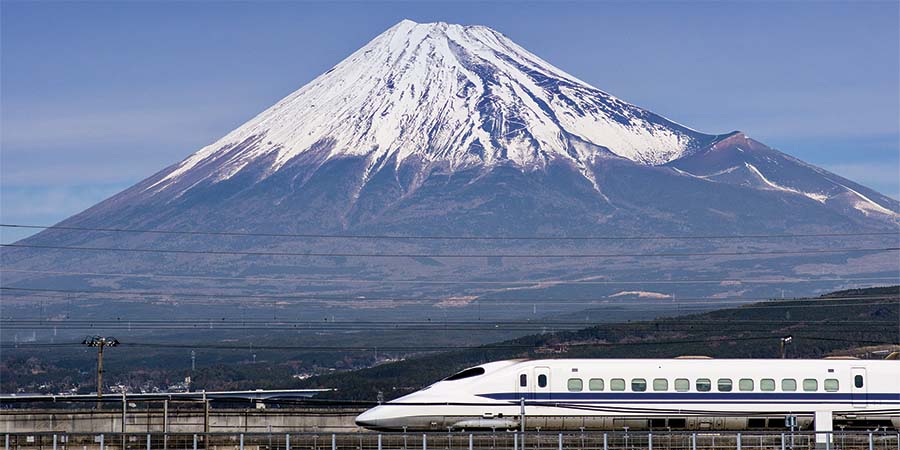
Travelling on high-speed KTX and Shinkansen trains
Experience top speeds of up to 190mph on a journey from Seoul to Gyeongju on South Korea’s KTX trains before riding Japan’s iconic bullet trains from Fukuoka to Hiroshima, Hiroshima to Osaka and Kyoto to Tokyo.
What’s included on the tour?
Tour Manager
Expertise of a UK Tour Manager from start to finish
Accommodation
14 nights’ 4 & 5-Star hotel accommodation
Transportation
Standard Class rail travel
All rail, ferry and coach travel throughout your tour
Flights
Flights from London Heathrow to Seoul, Tokyo to London Heathrow
All internal flights
Food & Drink
Breakfast each day, 7 lunches, 9 dinners
Luggage
Group luggage transfers between all hotels
Excursions & Entertainment
All guided tours and excursions
Not Included
Cancellation & Travel Insurance is not included in the price of the tour
Itinerary
Overnight flight to Seoul
Your exploration of two fascinating east Asian countries begins
at London Heathrow, where you meet the Tour Manager and travelling
group before boarding your direct flight to Seoul.
South Korea's unique blend of modernity and tradition has
powered its recent surge in popularity across the world. From the
country's diverse cuisine to its fascinating heritage, influential
pop culture and breathtaking mountainous landscapes, it's a
destination unlike any other.
Arrival in Seoul
We touch down in the neon-lit metropolis of Seoul, South Korea's
ultramodern capital city. Home to more than half of the country's
population, Seoul is a blend of old and new. Ancient palaces and
temples sit alongside towering skyscrapers, bustling markets and
cutting-edge architecture.
Today's itinerary is a relaxed one, giving you time to adjust to
your surroundings and settle in for your first night in Korea.
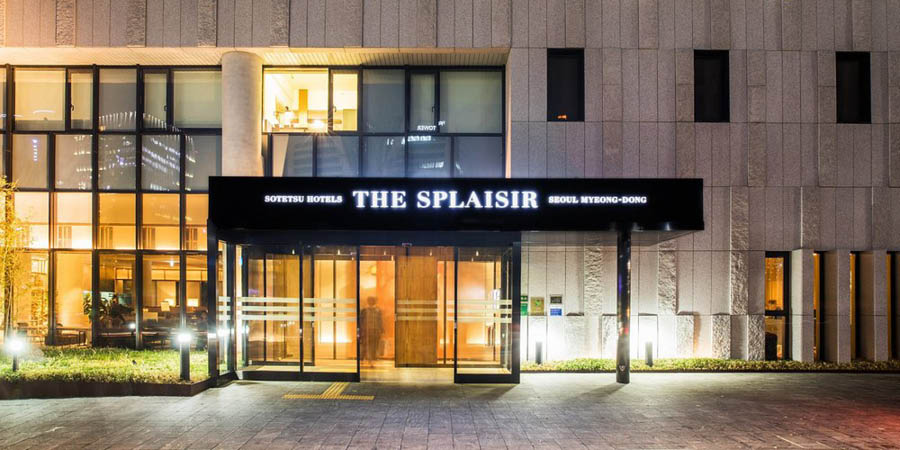
After transferring to the four-star hotel in the heart of Seoul's
business district and checking in for a two-night stay, meet the
Tour Manager and your fellow travellers and enjoy a welcome
dinner.
Includes
Dinner
Exploring Seoul and the Korean Demilitarised Zone
Heading out after breakfast, the first stop on today's tour of
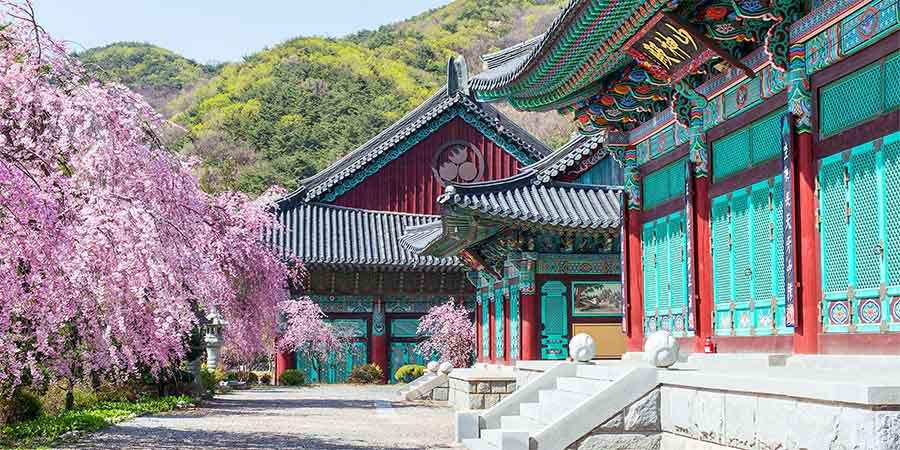
Seoul is the impressive Gyeongbokgung Palace. Built in 1395, this
traditional structure in the heart of the city is one Korea's most
famous royal residences, and entering the grounds can feel like
stepping back in time. Look out for visitors wearing Korea's
traditional national dress, the colourful, flowing 'hanbok'. If you
wear one to the site, you get in for free.
Next, we visit Insadong Antique Street, the cultural heart of
the city. Home to more than 70 shops, it sells antique furniture,
traditional artwork and handcrafted pieces. For a bite to eat, look
out for street vendors selling traditional snacks like 'hotteok', a
sweet pancake filled with brown sugar syrup.
After a traditional lunch at a local restaurant, we head to the
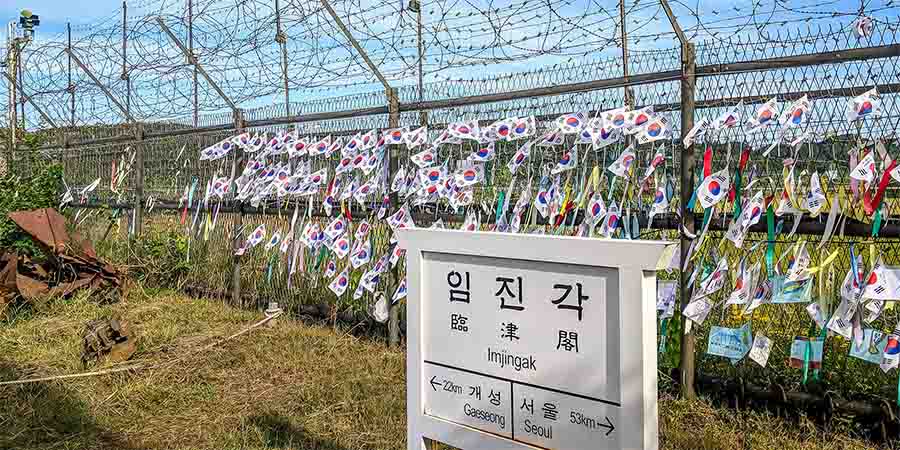
infamous Korean Demilitarised Zone. Created in 1953 after the
Korean War, this unique fortified border is a remarkable 160 miles
long and 2.5 miles wide. Inside, the land has remained untouched
for decades, creating a haven for wildlife. From the South Korean
side, you can see North Korea's Peace Village, or Kijong-Dong, a
collection of empty houses built to showcase the country's
prosperity and success. After glimpsing this mysterious country, we
head to a local restaurant for dinner.
Includes
Breakfast, Lunch, Dinner
Exploring Gyeongju, capital of the ancient Kingdom of Silla
Leaving our hotel in Seoul after an early breakfast, we transfer
to the station to catch one of Korea's KTX bullet trains to
Gyeongju. Founded nearly 2,000 years ago, this city was the capital
of the ancient Kingdom of Silla. Today, it's home to many famous
archaeological sites and cultural artefacts from the period.
Our first stop on arrival is Bulguska Temple, the head temple of
the Jogye Order of Korean Buddhism and a UNESCO World Heritage
site. Nearby is Seokguram Grotto, an 8th-century temple housing
exquisite statues of the Buddha. Next, we visit Donggung Palace and
Wolji, a Silla-era palace and serene pond constructed in 674. After
the fall of the Silla Kingdom, the site fell into disrepair for
centuries before being carefully restored.
Our day ends with a visit to the remarkable Cheomseongdae
Observatory, the oldest surviving astronomical observatory in Asia,
before we check in to our four-star hotel and enjoy dinner.
Includes
Breakfast, Lunch, Dinner
To the coastal city of Busan
In the morning, we transfer by coach to Busan, a large port city
known for its sandy beaches, striking mountain landscapes and
historic temple. We first visit Gamcheon Culture Village, a
fascinating and colourful settlement with winding lanes and a
maze-like atmosphere. We begin our tour at the museum, hearing the
story of the village before taking a tour of the narrow
streets.
Later, we enjoy lunch at Jagalchi Market, the largest fish
market in South Korea. This impressive market is known for its
female vendors, who carry on the tradition started by the women who
fled the Korean war and became fishmongers in Busan. You have free
time here to wander the stalls, absorbing the atmosphere of this
historic market.
Finally, we visit Haedong Yonggung Temple, a beautiful site
known for its picturesque seaside location, tucked under the trees
on a mountainside. Our day ends with a stroll along Haeundae Beach,
Busan's famous beach with a backdrop of the cityscape.
Includes
Breakfast, Lunch, Dinner
Across the Korea Strait to Fukuoka
Today marks the beginning of the section of your tour that takes
place in Japan. Transferring to Gimhae International Airport, we
catch our brief flight to Fukuoka.
Famed for its rich history, coastal scenery and food scene,
Fukuoka sits on the northern shore of Japan's Kyushu Island. In
1889, this fortress city absorbed the neighbouring merchant town of
Hakata to create Fukuoka City. Today, it's Japan's sixth-largest
city and renowned as the country's 'Gateway to Asia'.
Arriving in Fukuoka, we transfer to our four-star hotel and
check in before enjoying a welcome dinner, our first meal in
Japan.
Includes
Breakfast, Dinner
Discovering Fukuoka’s history and culture
Heading out by coach after breakfast on our first full day in
Japan, we visit the Dazaifu Tenmagu shrine, dedicated to the spirit
of Sugawara Michizane, a scholar and politician associated with a
Shinto deity of education. It's especially popular among students
praying for luck during exam season, and you might spot some
colourful 'ema' (wooden plaque) charms hanging around the
grounds.
Our next stop is the Kyushu National Museum, a large,
stadium-like building with a focus on Japanese history. Housing an
impressive collection of artefacts, the museum offers an immersive
overview of Japanese history from the Prehistoric Era to the Edo
Period. You're free to explore at leisure, wandering through the
themed rooms.
In the afternoon, we visit Kawabata Shopping Arcade, a lively
road filled with clothing shops, restaurants and speciality stores
selling everything from traditional clay Hakata dolls to local
ramen. With a variety of options to choose from, you might like to
find lunch here independently. Finally, we head to Fukuoka Tower,
the tallest seaside tower in Japan. We ride in elevators to the
top, where you can step onto the observation deck for incredible
views of the city skyline, the ocean and the nearby mountains.
Includes
Breakfast, Dinner
Discovering Hiroshima’s poignant sites
After breakfast at our hotel, we head to the station to board a
bullet train north to the historic city of Hiroshima. Arriving
around midday, we have time to find lunch before we embark on a
tour of Hiroshima's most moving locations with our English-speaking
guide.
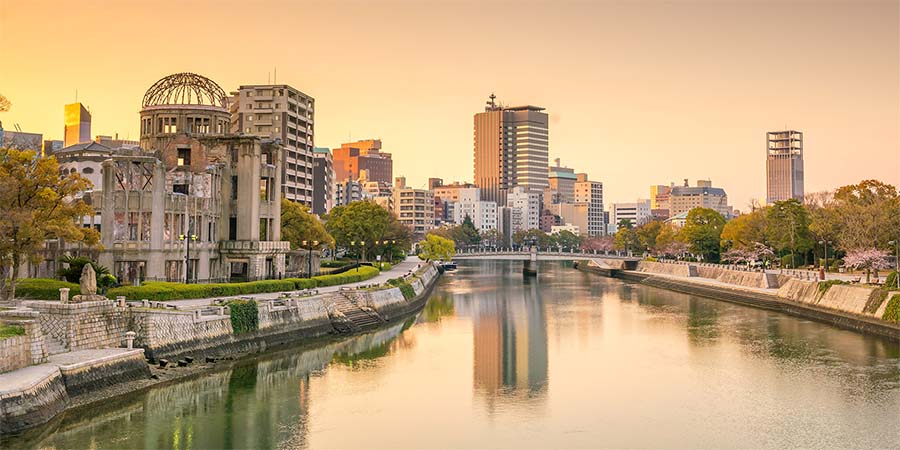
Now a welcoming city, Hiroshima became a byword for the horrors
of war after an atomic bomb was dropped by the US Air Force on 6
August 1945. The Peace Memorial Park commemorates the victims,
while the Atomic Bomb Dome emotively showcases the scorched shell
of a building destroyed on that fateful day. In the Peace Memorial
Museum, we view items salvaged from the rubble.
After our time spent in the park, we stop at Hiroshima Castle.
Originally built in the 1590s, the castle was also destroyed by the
bomb in 1945. Just 13 years later, the castle's main keep was
rebuilt, and today, it's an excellent place for a photo
opportunity. With a free evening to find dinner independently, you
might like to try a popular dish called 'okonomiyaki', a savoury
pancake with cabbage and pork.
Includes
Breakfast
Visiting Miyajima and tasting fresh seafood
Because of its location on the calm Seto Inland Sea, Hiroshima
is famous for its oysters. Today, we set out to experience this
local staple, boarding a coach to take us to an oyster farm on the
shores of Hiroshima Bay. Here, we join an oyster farmer for a
special experience, witnessing fishermen harvesting oysters on a
boat trip. Our visit ends with a tasting of savoury oyster
porridge, a delicious local dish.
After lunch in a local restaurant, we travel via ferry to
Miyajima, leaving modern life behind to soak up the tranquillity of
this secluded destination. Here, we enjoy a walking tour which
includes a visit to Itsukushima Shrine and the iconic O-Torii Gate
that guards its entrance. Partially submerged at high tide, this
stunning red structure was built in the 12th century and is an
enduring image of traditional Japan.
Later, we return to the hotel, where you have a free evening to
find dinner independently.
Includes
Breakfast, Lunch
Kurashiki’s charming canals en route to Osaka
Today's journey takes us from Hiroshima to Osaka, travelling by
train. We stop in Kurashiki, a charming city with a picturesque
canal area dating back to the Edo Period (1603 - 1867), when the
city was a rice distribution center. Today, the city's former
storehouses have been made into museums, boutiques and cafés. We
wander around the Bikan Historical Quarter, soaking up views of the
trees arching over the tranquil canals.
Next, we stop by Korakuen Garden, a Japanese landscape garden
ranked as one of the country's three best landscaped gardens. From
the garden, you can see Okayama Castle, a reconstruction of the
original, nicknamed 'crow castle' because of its black exterior. In
the past, the garden was private, only accessible by the local
feudal lord, but today, everyone can walk through the gardens,
enjoying the groves of plum, cherry and maple trees.
Leaving in the afternoon, we continue by rail to Osaka, where we
check in to our hotel and enjoy dinner.
Includes
Breakfast, Dinner
Nara Park, Dotonbori and Osaka Castle
Before Kyoto adopted the mantle in 784AD, Nara was Japan's
capital. It's a beautiful and compact city that oozes history and
grace, backdropped by wooded hills.
Today's journey takes us to Nara Park, where tame deer wander
the landscaped grounds. Once revered as messengers of the gods,
these beautiful animals now roam freely, so comfortable with human
visitors that they often bow in greeting. During our tour of the
park, we visit Todaji Temple to view one of the world's largest
bronze statues, the Great Buddha, or 'Daibutsu'.
After lunch at a local restaurant, we wander through the streets
of Dotonbori, Osaka's colourful entertainment district. Today's
final excursion takes us to Osaka Castle, an iconic landmark
originally built in 1583. After discovering the castle's history in
the modern museum, you have a free evening to explore Osaka
independently.
Includes
Breakfast, Lunch
Exploring Kyoto’s famous temples and a zen tea ceremony
Leaving early in the morning, we take a coach to Kyoto, a
historic city overflowing with the authentic beauty of old
Japan.
Our guide helps us uncover its history and traditions, first by
visiting Kinkaku-ji temple. The 'Golden Pavilion' temple dates from
1397 and shimmers in brilliant gold leaf on the edge of a
reflecting pond, surrounded by lush forest. Our tour concludes
amongst the beautiful backstreets of the Gion neighbourhood. Lined
by traditional dark-wood homes, this district was historically home
to kimono-wearing geishas.
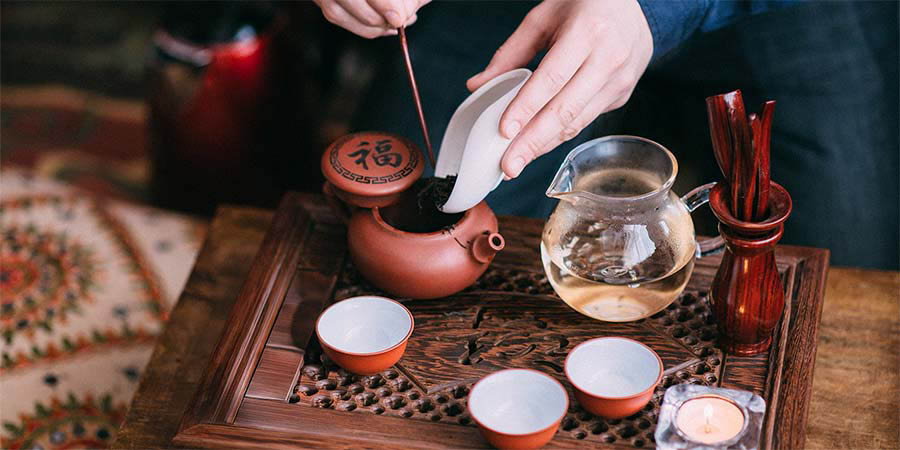
Afterwards, we partake in a zen tea ceremony. Learning how to
brew, serve and sip this celebrated drink also gives us a glimpse
into the spirituality and culture of Japan.
Includes
Breakfast, Dinner
Arashiyama Bamboo Grove and Fushimi Inari Taisha
Our second day in Kyoto begins with an experience of one of the
city's natural wonders. We visit the Arashiyama Bamboo Grove, a
natural bamboo forest. Stepping onto the winding path, we're
surrounded by emerald green bamboo shoots soaring into the air.
After exploring the forest, we enjoy lunch in a local restaurant
before heading to Fushimi Inari Taisha, a world-renowned shrine
dedicated to the Inari, the Shinto god of rice, and famed for its
thousands of red torii gates. If you're feeling energised, you can
follow the loop trail through the gates to reach the scenic
viewpoint at the top of Mount Inari. Look out for statues of foxes,
which are revered as Inari's divine messengers.
After visiting the iconic site, your evening is free.
Includes
Breakfast, Lunch
Hakone and Mount Fuji
After an early breakfast at our hotel, we transfer to the
station for the bullet train to Tokyo via Hakone. Arriving at
Odawara Station, we head to the Hakone Shrine.
Standing on the shores of Lake Ashi, at the foot of Mount
Hakone, this shrine offers a serene and spiritual experience. With
a history dating back to 757 AD, it has welcomed many devotees
throughout the centuries. You're welcome to explore the site
independently, admiring the well-kept gardens and iconic red
gates.
After our time at the shrine, we transfer to the Owakudani
Valley, an area around a crater created during Mount Hakone's last
eruption roughly 3,000 years ago. On a clear day, the valley has
excellent views of Mount Fuji, Japan's most famous peak, in the
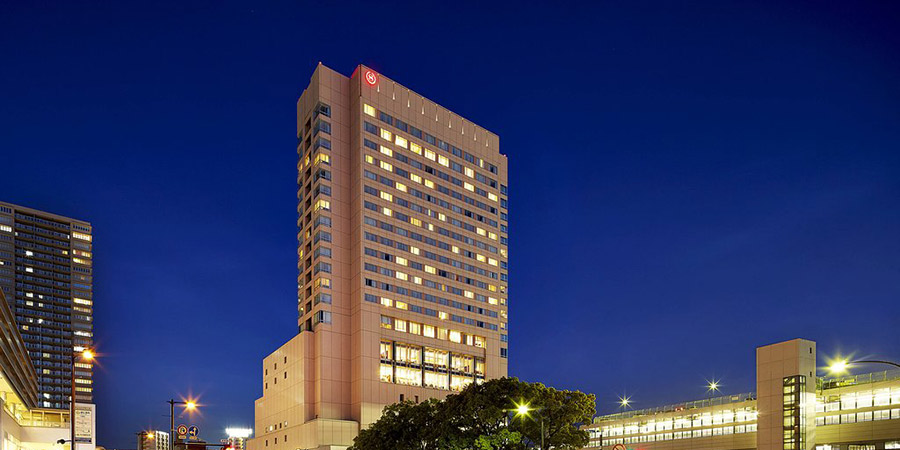
distance. In the late afternoon, we board a coach for the trip to
our four-star skyscraper hotel in Tokyo, where you have a free
evening to enjoy the hotel's luxurious facilities and restaurants
or venture into the city independently.
Includes
Breakfast
Exploring Tokyo with an expert guide
With our English-speaking guide, we embark on a coach tour of
Tokyo after breakfast, witnessing the city's contrasts. After
visiting the Tokyo Metropolitan Government Building, an immense
skyscraper with panoramic observation decks offering stunning views
of the city, we head to the famous Senso-Ji temple in Asakusa.
Dating from the 7th century, it was built to honour Kannon, the
Buddhist goddess of mercy. With its sweeping, tiled roof,
intricately carved wood and giant red lanterns, Senso-Ji is the
epitome of Japanese Buddhist architecture.
We enjoy lunch in a local Japanese tempura restaurant before
heading to Shunken Bonsai Museum, where we experience a
demonstration with an expert who instructs us in the art of bonsai,
including how to carve, grow and change the shape of these unique
trees.
From the serenity of the bonsai museum, we embrace Tokyo's
contrasts with a trip to the famed Shibuya crossing, where up to
3,000 people at a time inundate the crossing from all directions.
In the evening, we enjoy a farewell dinner.
Includes
Breakfast, Lunch, Dinner
Homeward bound
From Korea's ancient Silla Kingdom-era palaces and colourful
markets to Japan's crimson shrines and coastal cities, this
immersive journey has brought us closer to the history, culture and
landscapes of these two fascinating east Asian countries.
Journeying by high-speed bullet train, we discovered Korea's
fascinating history, visiting the fortified Demilitarized Zone,
awe-inspiring Buddhist temples and elaborate royal estates. Flying
to Japan, we explored Fukuoka's coastal sights, tasted traditional
oyster porridge in Miyajima and visited the moving city of
Hiroshima before spending two nights in Osaka. Our journey
concluded with a special zen tea ceremony in Kyoto and a Bonsai
demonstration in Tokyo.
After breakfast at the hotel, your tour of Korea and Japan
concludes as we travel to the airport, ready for our flight back to
London.
Our Classic range is what we're known for. Enjoy curated moments
with plenty of inclusions. Centrally located hotels, premium travel
options and engaging group tours with a seasoned expert are
included. You'll be in groups with an average of 20-25 travellers
and a maximum of 30*. *Scandinavian and Worldwide tours are on
average 30-35 and a maximum of 40.
If your tour is marked as Small Group, enjoy a more immersive
holiday experience, exploring with a like-minded group of just 22
travellers on average.
Departure times
Travel timings in your Holiday Confirmation are provisional and
are subject to change. We will confirm your travel times in your
final itinerary around 10-14 days before your departure. Eurostar
or Flight times will be confirmed to you approximately 30-50 days
before departure.
Mobility information
Due to the nature of our tours they are generally unsuitable for those with restricted mobility. If you’d like to discuss any particular holiday with us in this respect, then please don’t hesitate to call us.
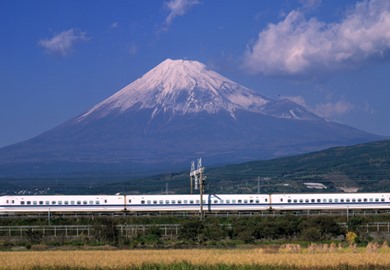
Shinkansen refers to the dedicated high-speed Japanese rail
network that provides a link to most major cities on the islands of
Hokkaido, Honshu and Kyushu. The name 'Shinkansen' is also used to
refer to the trains that run on the network - which are perhaps
better known to westerners as 'Bullet Trains'. Renowned for their
punctuality, comfort and safety, the trains are frequent and fast,
regularly running at speeds of up to 186mph (300km/h). The trains
offer comfortable reclining seats and there are usually refreshment
trolleys selling snacks and beverages.
Flight upgrades are available. For information regarding the
types of upgrades offered by the airlines we use, call our expert
team for details.
London Hotels
Spending a night in London before your tour can make such a
difference to the first day of your holiday - you can arrive in the
capital in good time, relaxed and ready to join your Tour Manager
the next morning. You may even want to take in a show on the West
End or dine in one of London's famous restaurants. Perhaps on your
return to London, you would like to break your journey with an
overnight stay before continuing home.
We can book a wide range of hotels in central London or, for our holidays beginning with a flight, at Heathrow, Gatwick, or Manchester Airport for the night before or after your holiday. If you require a quote for single occupancy at any of the hotels, please contact us on 01904 734 805.
UK rail connections
Buying tickets for UK train services can be a tricky business -
there are so many fares to choose from, each with different rules
and restrictions. As you are connecting with an international
departure, we strongly recommend that you book a fully flexible
ticket to ensure that should the departure times for your holiday
change, your rail ticket can allow for these changes.
We can book fully-flexible UK rail tickets from your local station to join your holiday whether this be a European holiday from St Pancras or a UK holiday. The prices are competitive and tickets are not restricted to a particular train or time of day, and in most cases offer you a free choice of routes.
For an up to date quote from your local station, please ask one of our Tour Advisors.

 Classic